ztest
test alpha posts

Decoding Pet Food – For Healthier, Happier Pets
test alpha posts
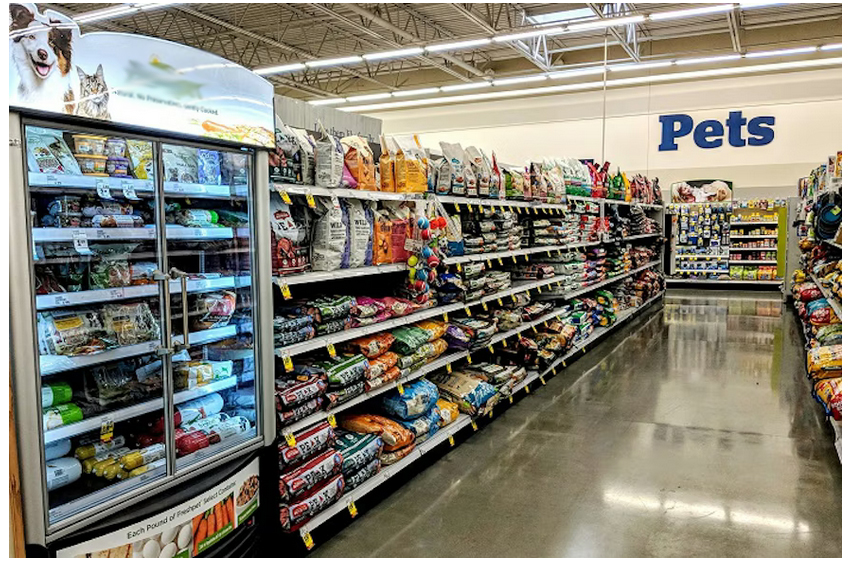
If you’ve ever looked up a pet food online and noticed two different ingredient lists, you’re not alone — and you’re not wrong to be confused. Many large retailers display both an Ingredients list and something called “Active Ingredient Name” (or a similar label). At first glance, they may look almost the same — but … Read more
These ingredients are often allowed under “natural” labeling rules, yet some pet owners and veterinarians prefer to limit or avoid them due to mixed research, sensitivities, or how they’re used. Mixed Tocopherols (Vitamin E) Why used: Natural preservative to prevent fat oxidation Why controversial: Generally safe, but effectiveness varies; often paired with other preservatives Rosemary … Read more
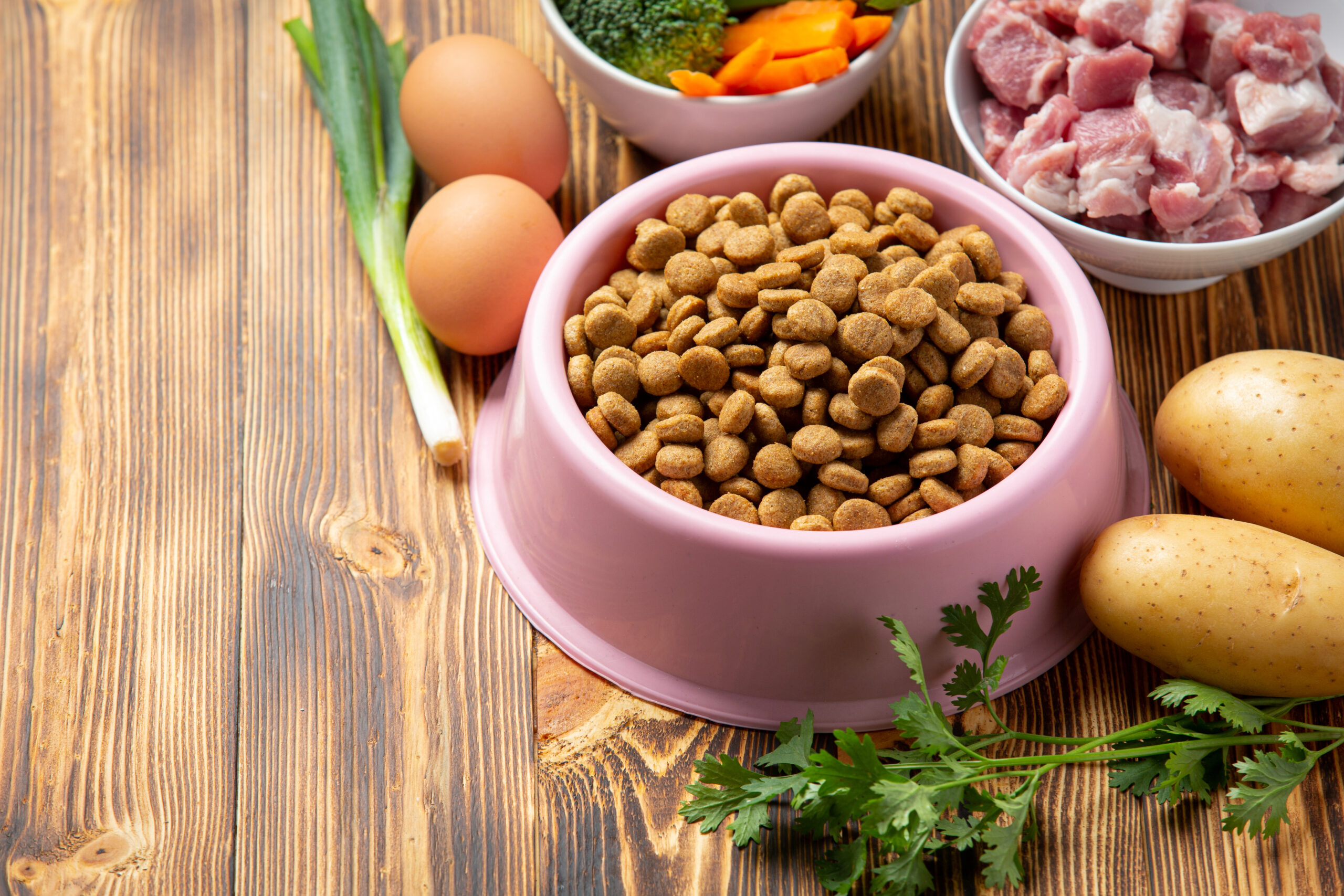
The Ultimate Guide to Pet Food Ingredients Why Ingredients Matter More Than Marketing Pet food labels are full of promises — “natural,” “premium,” “holistic,” “grain-free.” But those words don’t tell you what actually ends up in your pet’s bowl. The ingredient list does. Understanding ingredients helps you: spot fillers and low-value additives recognize quality protein … Read more

Food Is More Than Fuel Nutrition influences almost every system in your pet’s body: digestion skin and coat energy levels immune response mood and behavior What your pet eats daily has a cumulative effect — good or bad. Signs Nutrition May Be Off Pets can’t tell us how they feel, but their bodies often show … Read more
Start With What Your Pet Is Eating Now Before switching foods, look at: ingredient list protein source how your pet responds after meals This gives you a baseline to improve from. Make Changes Gradually Sudden changes can upset digestion. Transition slowly over 7–10 days to avoid stress on your pet’s system. Focus on Protein Quality … Read more
Why “Hidden” Ingredients Exist Manufacturers sometimes: split ingredients into smaller components use alternative names rely on umbrella terms This can make foods look better on paper than they actually are. Ingredient Splitting Instead of listing one ingredient high on the list, it may appear as several smaller ones: peas, pea protein, pea fiber corn, corn … Read more
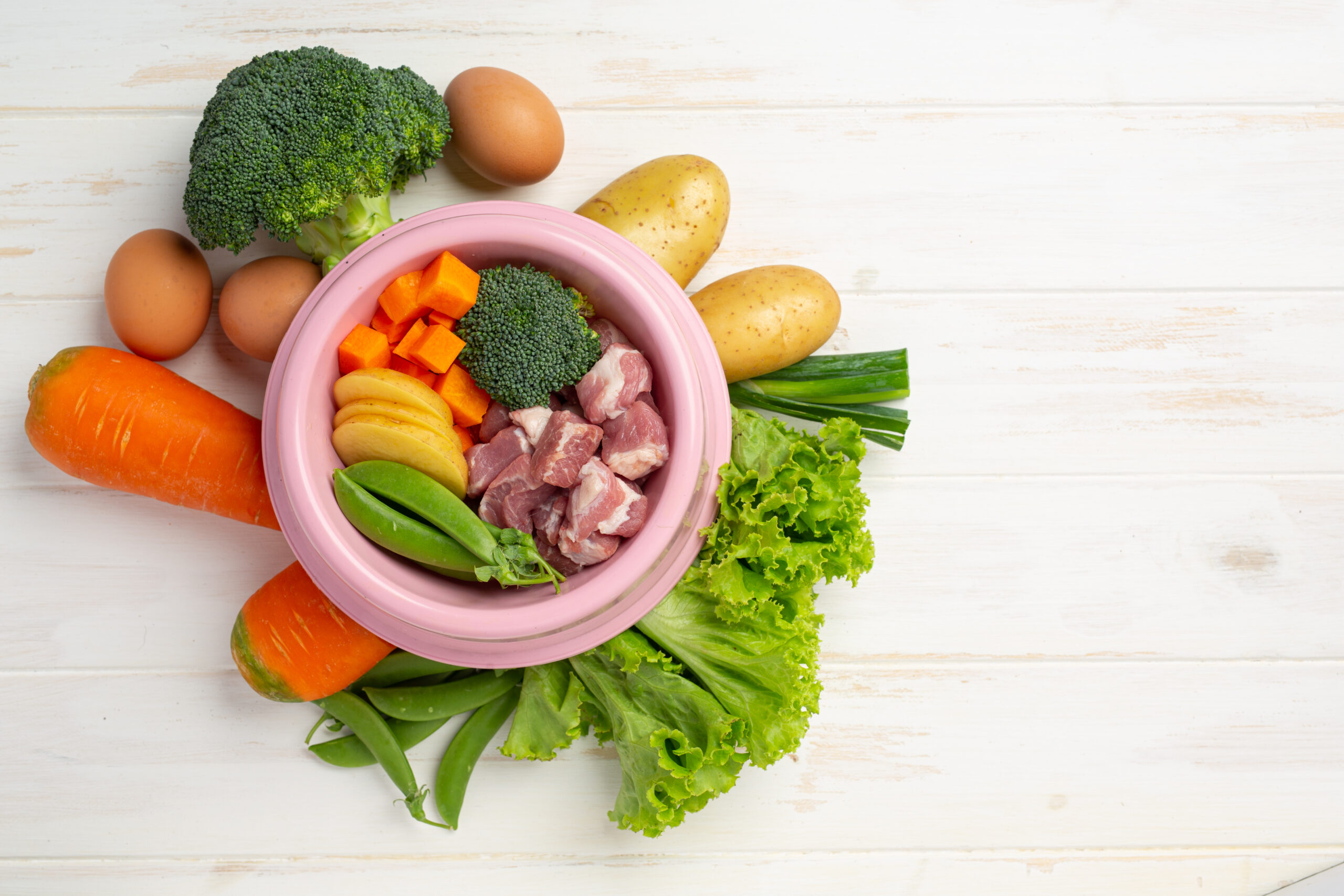
Pet food is more than filler — high-quality ingredients deliver essential nutrients your pet absorbs and uses for vitality. Poor ones lead to deficiencies, allergies, or waste. Here’s why prioritizing quality pays off. What “High-Quality” Really Means Nutrient-dense — Provide vitamins, minerals, proteins, fats efficiently (e.g., real meat/organs over vague “meat meal”). Digestible — Better … Read more

Pet food labels can feel overwhelming. Between long ingredient lists, marketing claims, and unfamiliar terms, it’s hard to know what actually matters—and what doesn’t. This article breaks down pet food labels in plain English so you can make informed choices for your dog or cat without needing a degree in animal nutrition. Start With the … Read more
Marketing myths confuse pet parents daily. Here are the top 5, debunked with science-backed reality. Myth 1: Grain-Free Diets Are Always Healthier Reality: Grains provide fiber/energy/nutrients. Some grain-free diets have been linked to dilated cardiomyopathy (DCM) in some dog breeds. Myth 2: By-Products Are Low-Quality or Bad Reality: By-products = organs (liver, heart) are nutrient-dense, … Read more