
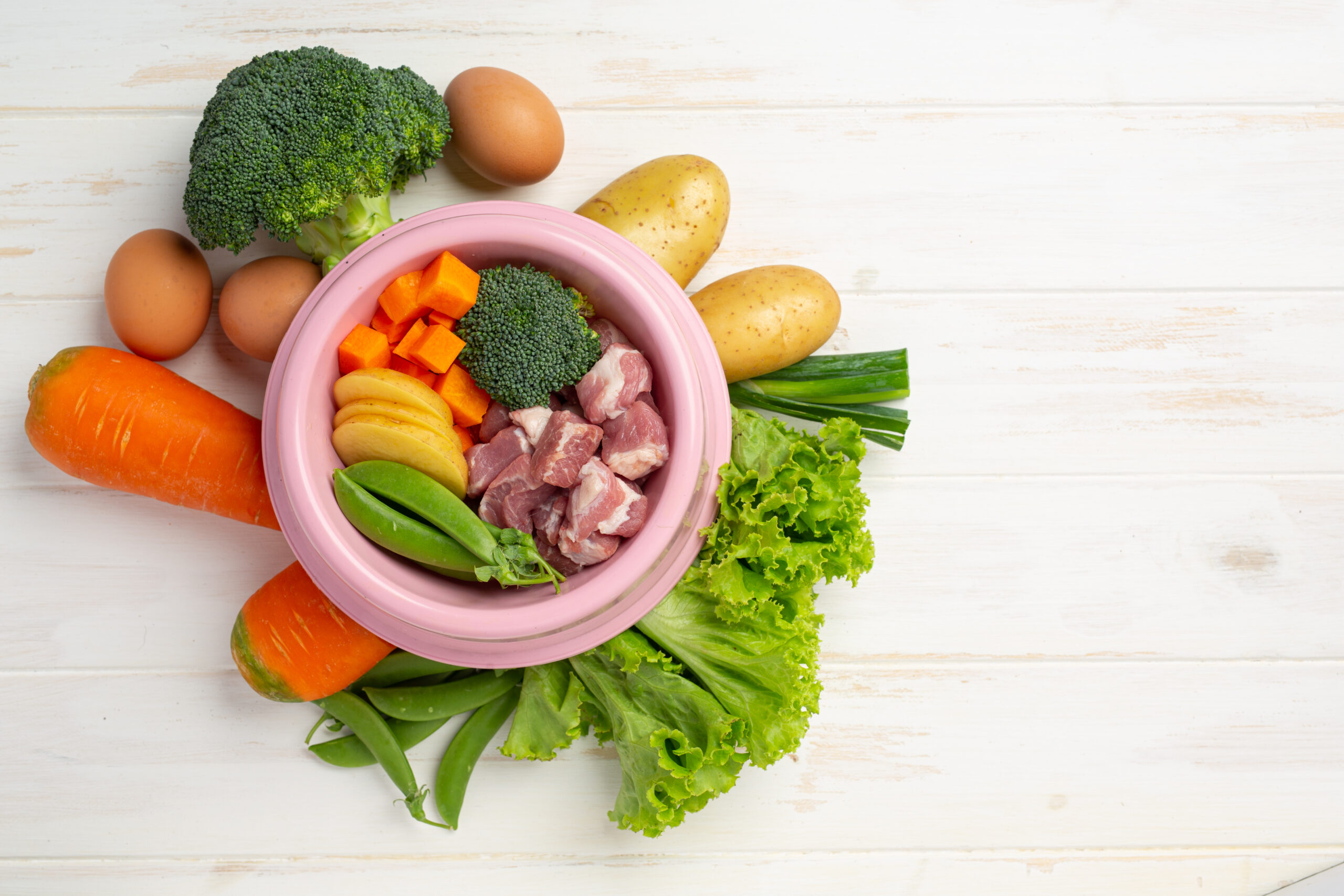
Pet food is more than filler — high-quality ingredients deliver essential nutrients your pet absorbs and uses for vitality. Poor ones lead to deficiencies, allergies, or waste. Here’s why prioritizing quality pays off.
What “High-Quality” Really Means
-
Nutrient-dense — Provide vitamins, minerals, proteins, fats efficiently (e.g., real meat/organs over vague “meat meal”).
-
Digestible — Better absorption = less poop volume, fewer GI issues, shinier coat.
-
Sourced responsibly — Human-grade where possible, no contaminants, sustainable (e.g., by-products like liver/heart are nutrient powerhouses, not “bad”).
-
Balanced — Not excess protein/fat that strains kidneys or causes obesity.
Benefits for Your Pet
-
Better digestion & gut health — Whole foods/fiber reduce bloating, firmer stools.
-
Skin & coat shine — Omega fatty acids from fish/flax support barrier function.
-
Energy & vitality — Steady nutrients prevent crashes; supports immune system.
-
Long-term health — Reduces risks like obesity, joint issues, or deficiencies.
-
Sustainability angle — Quality uses by-products efficiently, less waste.
Red Flags vs. Green Lights
-
Avoid: Excessive artificial colors/flavors, unnamed “meats,” heavy fillers if low-nutrient.
-
Seek: Named proteins first, whole grains/veggies, added taurine (cats), chelated minerals.
High-quality ingredients aren’t always the priciest — they’re the smartest investment. Explore our How to Read Labels guide next to spot them easily.